Kollagen & Longevity: Ein Protein als Schlüssel für Beauty und Beweglichkeit bis ins Alter?

Kollagen & Longevity: Ein Protein als Schlüssel für Beauty und Beweglichkeit bis ins Alter?

In sozialen Netzwerken und in den Medien wird Kollagen häufig als Wirkstoff gegen Falten, Haarausfall und Muskelschwäche verkauft. Wenn du eine Hype-freie Erklärung dafür suchst, wie Kollagen wirkt und wie du es sanft und natürlich für dich nutzen kannst, bist du hier richtig.

Vielleicht kennst du es: Deine Haut fühlt sich schlaffer an als früher, die Gelenke machen sich schneller bemerkbar und der natürliche Glow braucht ein wenig Nachhilfe. Beauty-Influencer schwören auf die Anti-Aging-Wirkung von Kollagen-Produkten. Hier erfährst du, was wirklich dahintersteckt und wie du Kollagen als Baustein in deiner Longevity-Strategie nutzen kannst.

Your quick introduction to the topic: What is collagen?

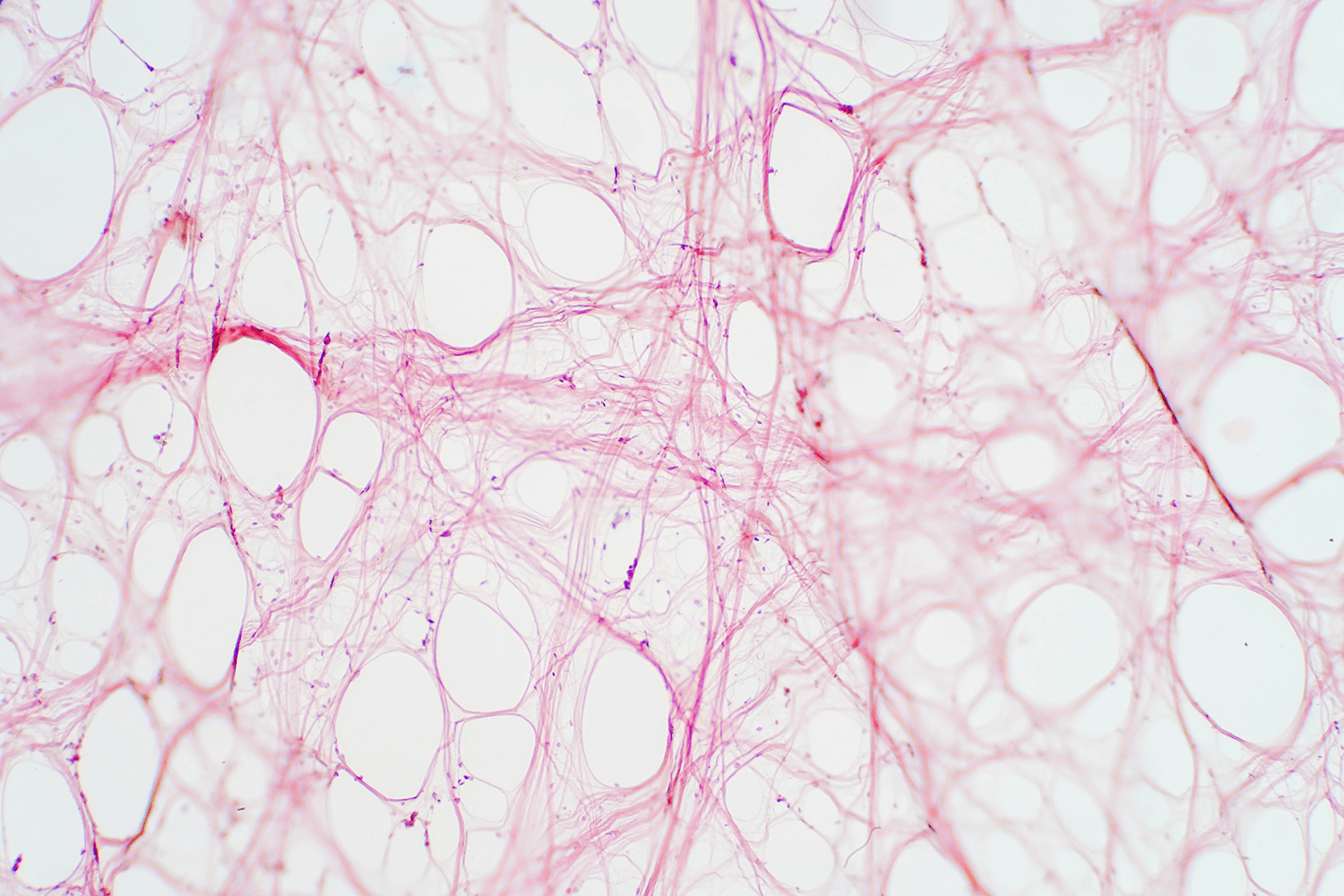
Collagen is a structural protein in the human body. This means it primarily has a structure-giving, stabilizing function. As one of the main components of skin, connective tissue, bones, muscles, and joints, the protein provides stability and elasticity.

It makes up 30 percent of all proteins in humans, making it the most abundant protein in the human body. The main components of collagen are the amino acids glycine, lysine, and proline, which are interwoven in chains. Although your body can produce collagen itself, it needs certain proteins from food to do so. Important sources of collagen include meat and fish, for example.

It accounts for 30 percent of all proteins in humans, making it the most abundant protein in the human body. The main components of collagen are the amino acids glycine, lysine, and proline, which are intertwined in chains. Although your body can produce collagen itself, it needs certain proteins from food to do so. Important sources of collagen include meat and fish, for example.

Types and Effects of Collagen

Humans have 28 different types of collagen, which perform various functions. The most common type of collagen is Type I, which is primarily found in the supportive and connective tissues of bones, cartilage, teeth, intervertebral discs, ligaments, and skin.

The following examples show how versatile the effects of collagen are:

  • Skin: In the middle layer of the skin, collagen forms a network that can bind water and contributes to the elasticity and structure of the tissue.
  • Nails and Hair: Amino acids, which are found in collagen, among other things, are necessary for the formation of keratin – the main component of nails and hair, where it forms a resistant protective layer.
  • Teeth: The substance that gives your teeth shape and makes them resilient is dentin. It consists largely of collagen, which also gives your gums strength and elasticity.
  • Joints and Bones: Collagen is an important component of joint cartilage and the basic bone structure, and thus plays a role in how well you can move in everyday life and during sports.
  • Cell Protection: Collagen is part of tissues that continuously renew themselves; nutrients such as vitamin C support normal collagen formation and thus the normal function of these tissues.
Grafik zum Kollagenabbau in Abhängigkeit vom Alter, Koallegenabbau-Rate ab 25 Jahren, NEOaging

When the body ages: Collagen degradation from your mid-20s

Sometime between the ages of 20 and 30, when anti-aging and longevity are not yet a concern for many people, the natural breakdown of collagen begins.

Up until this point, the skin alone accounts for 80% of type I collagen.

As we age, the body produces less collagen than it breaks down, leading to a loss of about 1 to 1.5% of collagen structure per year.¹ For some people, this process starts later or proceeds more slowly.

But at some point, a collagen deficiency is inevitable and becomes clearly visible in the mirror: Due to slowed collagen production, wrinkles form on the face, the skin generally appears less firm, and nails become more brittle. In addition, mobility and muscle strength can decrease.

UV-Strahlung auf der Haut einer jungen Frau, Kollagen zur Staerkung der Hautbarriere

Which factors accelerate collagen degradation?

In addition to the natural aging process, external factors can also restrict the production of collagen in the body. These include

  • UV radiation²
  • Nicotine consumption³
  • Sugary diet⁴
  • Stress⁵
  • Lack of sleep⁶
  • Menopause⁷

How are Collagen, Longevity, and Beauty interconnected?

In their feeds and reels, influencers swear by collagen powder or facial creams with collagen for that "glow from within." The promise: smoother skin, fuller hair, and a youthful look. However, when it comes to long-term well-being, it's important not to focus on collagen as a beauty booster, but rather as a building block for longevity.

Skin aging cannot be stopped or reversed. Rather, the goal should be to support the body's normal functions as much as possible so that skin and joints remain resilient for a long time. A good collagen balance can be a helpful building block for this longevity approach.

Frau mit Pigmenten, Kollagen fuer die Haut bei Falten

Collagen for wrinkles? What does science say about the anti-aging effects of supplements?

In the context of longevity, not only appearance and biological age play a role, but also mobility. A study with adults who experienced knee pain under stress showed evidence that taking type II collagen can improve mobility and subjective complaints in people with stress-related knee pain.¹⁰

What does research say about collagen in the context of longevity?

A study focused on longevity investigated how a specifically formulated blend of collagen-typical amino acids influences aging. In roundworms and mice, lifespan, mobility, and tissue stability improved, while in the human study, the measured biological age decreased by an average of over one year and skin texture improved. Further research is needed for conclusive results, but the initial data is promising.​⁹

Weiche Haut durch Kollagen, wirkung auf die Hautstruktur

How Are Collagen and Joints Related from a Scientific Perspective?

In the context of longevity, not only appearance and biological age play a role, but also mobility. A study with adults who experienced knee pain under stress showed evidence that taking type II collagen can improve mobility and subjective complaints in people with load-dependent knee pain.¹⁰

Collagen-Friendly Lifestyle Tips

  • Sleep Hygiene: One study found evidence that good sleep quality could enhance the effects of collagen supplements.¹¹ It can therefore be helpful to consider collagen and sleep hygiene together. For example, have you ever heard of anti-aging sleep?
  • Stress Management: Chronic stress is the cause of various ailments and anything but conducive to longevity. The culprit is the stress hormone cortisol. Stress management is a first step towards relieving stress and can begin, for example, with moderate exercise and conscious breaks. Important: Don't stress yourself out trying to reduce stress; instead, try methods that fit your lifestyle.
  • Antioxidants: Poor nutrition and too much UV radiation can increase the number of free radicals in the body and cause oxidative stress. This is not good news for collagen. Antioxidants like vitamin C offer protection against free radicals. You'll find antioxidants primarily in vegetables and fruits. Make your diet as colorful as possible and treat yourself to a blueberry or avocado smoothie now and then, for example.

Tip: In our magazine, you can learn more about how to make your diet longevity-friendly.

What are some clean collagen sources?

Speaking of a balanced diet: if you are specifically looking for natural collagen sources that fit your lifestyle, animal and plant-based foods and support from dietary supplements are the right options for you.

Animal Sources

Collagen is found not only in the human body but also in other animals. Animal collagen sources include:​

  • Bone broth
  • Fish
  • Poultry

Gelatin, which is used in gummy bears and also contains collagen, is produced when bones or connective tissue are heated.

Makroaufnahme Bindegewebe unterm Mikroskop

Plant-Based Support for Vegetarians & Vegans

The bad news: This structural protein is only found in animal cells and not in plants. So there's no such thing as "vegan collagen."

The good news: That doesn't stop you from consuming the building blocks necessary for your body's own collagen production:

  • Amino acids like glycine, proline, and lysine, which are found in legumes, soy, nuts, or seeds
  • Vitamin C as a cofactor for collagen synthesis, found in berries, citrus fruits, and bell peppers
  • Silicon from certain plants

However, it is not yet definitively clear whether the body uses these nutrients specifically for collagen synthesis or for other metabolic pathways.

For a longevity-oriented routine, many people rely on combination products that combine collagen with other nutrients. Common combinations include:

  • Collagen + Vitamin C for the body's own collagen synthesis
  • Collagen + hyaluronic acid for moisture
  • Collagen + antioxidants to support the fight against oxidative stress

Tip: Collagen powder can be stirred into smoothies, water or tea and easily integrated into your daily routine.

Conclusion: Collagen as a Building Block for Your Longevity Strategy

As an essential component of skin and joints, collagen plays a key role in the aging process. However, collagen products are not miracle cures, but only a small part of your longevity puzzle. To remain beautiful, mobile, and vital in the long term, your focus should primarily be on a balanced, protein-rich diet, exercise, relaxation, and sleep hygiene.

Bibliography