Biotinmangel: Wie du Symptome erkennst und was deine Haare wirklich stärkt

Biotinmangel: Wie du Symptome erkennst und was deine Haare wirklich stärkt

Für viele Menschen ist das Haar Ausdruck ihrer Persönlichkeit. Doch wusstest du, dass es auch ein Frühwarnsystem ist? Es zeigt an, wie gut dein Körper mit Nährstoffen wie Biotin versorgt ist. Erfahre, wann ein Biotinmangel schuld an schlappem Haar sein könnte und welche Routinen deiner Mähne auf sanfte und natürliche Weise zu neuem Glanz verhelfen.

Introduction

Hair problems are as diverse and individual as hairstyles. Women often experience split ends or hair loss during pregnancy, and in men, a receding hairline or hair loss on the top of the head is often genetically determined. Brittle and dull hair or a lot of split ends can also be stress-related or indicate a nutrient deficiency.

Vitamin H(air): What role does biotin play for hair and nails?

When it comes to hair changes, biotin is often quickly suspected. No wonder: your body needs this nutrient, among other things, to form keratin, which in turn is an important structural protein in hair and nails.

In addition, biotin, also known as vitamin B7, vitamin H, or the "beauty vitamin", contributes to the normal functioning of your nervous system and is involved in the body's metabolism.

Biotin Deficiency: Symptoms and Who Might Be Affected

Signs of biotin deficiency may include the following symptoms¹:

  • Hair loss
  • Thin, brittle fingernails that break easily
  • Cracked corners of the mouth
  • Dry, reddened skin
  • Some affected individuals report depression and lethargy

This is because biotin is an important cog in energy metabolism: It supports the conversion of carbohydrates, fats, and proteins into energy that your hair follicles need to stimulate hair growth.

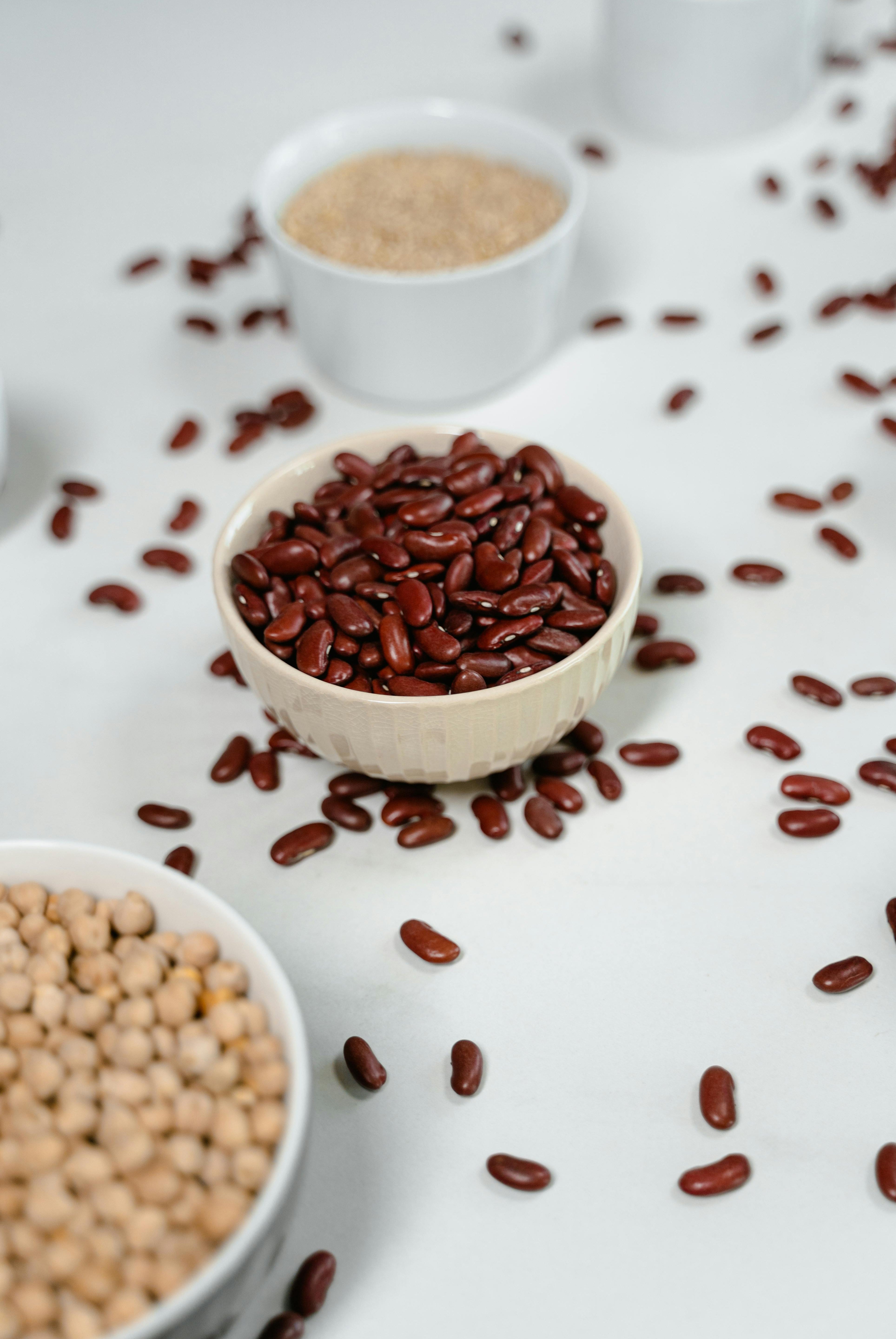
Blogartikel-ernaehrung-energie-bohnen.jpg

How does a vitamin B7 deficiency occur?

Your body can neither produce biotin in large quantities itself nor store it. However, you can generally provide it with enough of the B vitamin through a balanced diet that includes legumes, nuts, and soybeans, as well as spinach, fish, and grains.²

Nevertheless, there are some risk groups in whom biotin absorption may be impaired or who require particularly large amounts of biotin. These include people with

  • Chronic gastrointestinal diseases such as Crohn's disease
  • Extreme malnutrition
  • Rare genetic disorders such as biotinidase deficiency
  • Impaired gut flora, for example due to long-term use of certain medications

The Real Problem: Stress for You, Stress for Your Hair

A true biotin deficiency is rare. The fact that many people still struggle with dull and brittle hair is often due to modern lifestyles and various environmental factors.

Urban Hair Stress: When city air becomes a stress factor

City living can impact hair health. This is not an "urban legend" but a conclusion reached by various research teams worldwide. In-vitro studies show that fine particulate matter can affect hair follicles and disrupt their regeneration.³

If pollutants accumulate in the hair fiber, this accelerates its structural degradation⁴, and as a result, you’re left with brittle, dull hair. People in cities therefore actually experience hair stress more frequently than people in rural areas.

However, in addition to environmental pollution, there are other factors that can damage hair and affect residents of smaller towns as well. Heat styling, chlorine, and harsh shampoos dry out the hair. Additionally, there are some physical causes for damaged hair, often related to lifestyle.

Blogartikel-Cortisol_Header.png

Chronic Stress

Chronic stress not only negatively affects your cortisol levels, but also your hair growth cycle.⁵ Too much cortisol can prematurely push hair follicles from the growth phase into the resting phase and promote "telogen effluvium." This form of hair loss can occur after severe psychological stress, breakups, or major life events.⁶

In the worst case, stress not only thins hair, but also affects hair color: researchers have found that stress-related graying is not a myth.⁷

In our Longevity Magazine, 7 natural tips for lower cortisol await you.

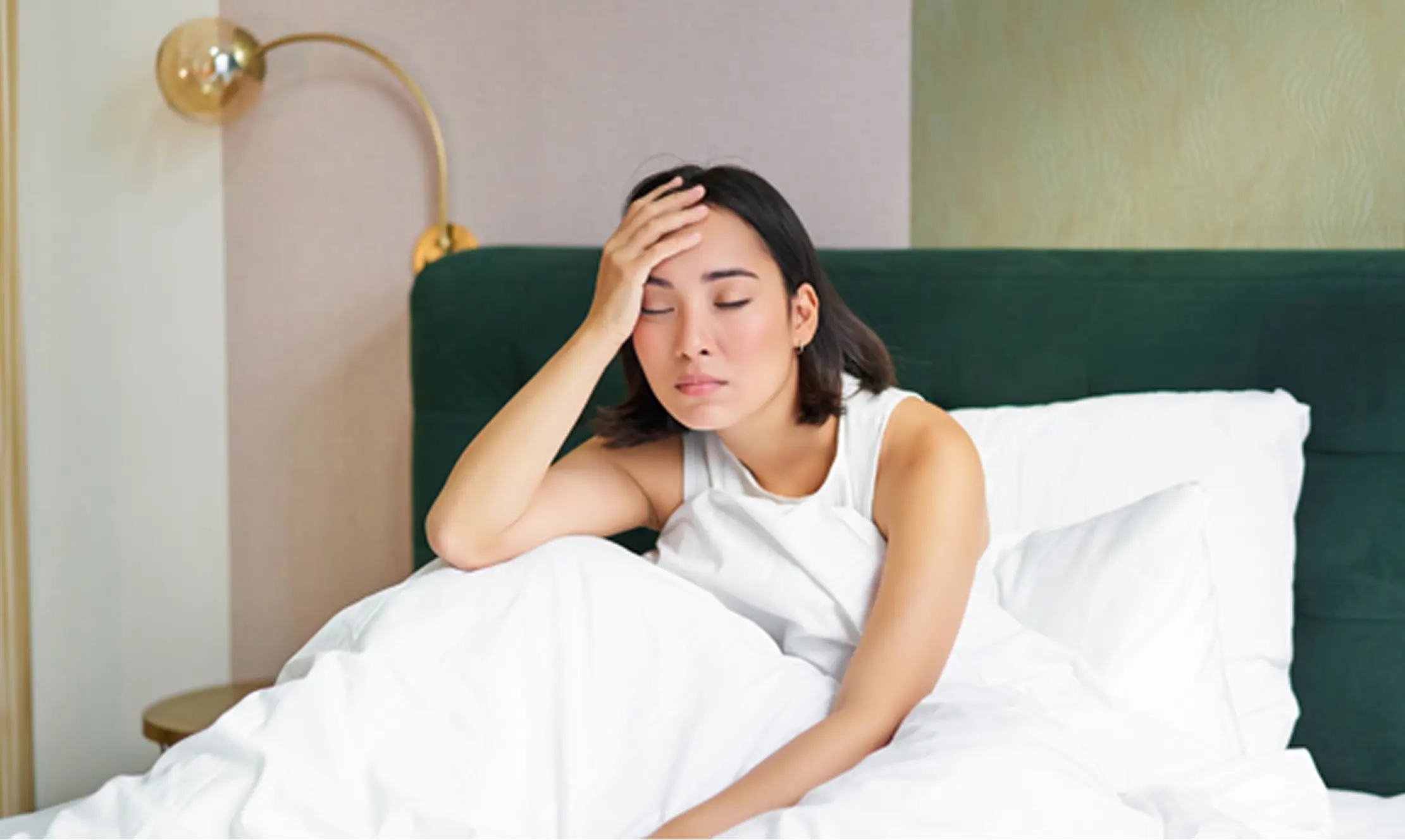
HD_Blogartikel-Magnesium-Schlaf_Header_1.webp

Poor Sleep

While you rest at night, your body is busy with various processes that also affect your hair. During deep sleep phases, for example, it produces melatonin and growth hormones that promote hair growth. Studies have shown that chronic sleep deprivation and poor sleep quality can affect the hair growth cycle.⁸

Learn more about sleep and its anti-aging function in the magazine.

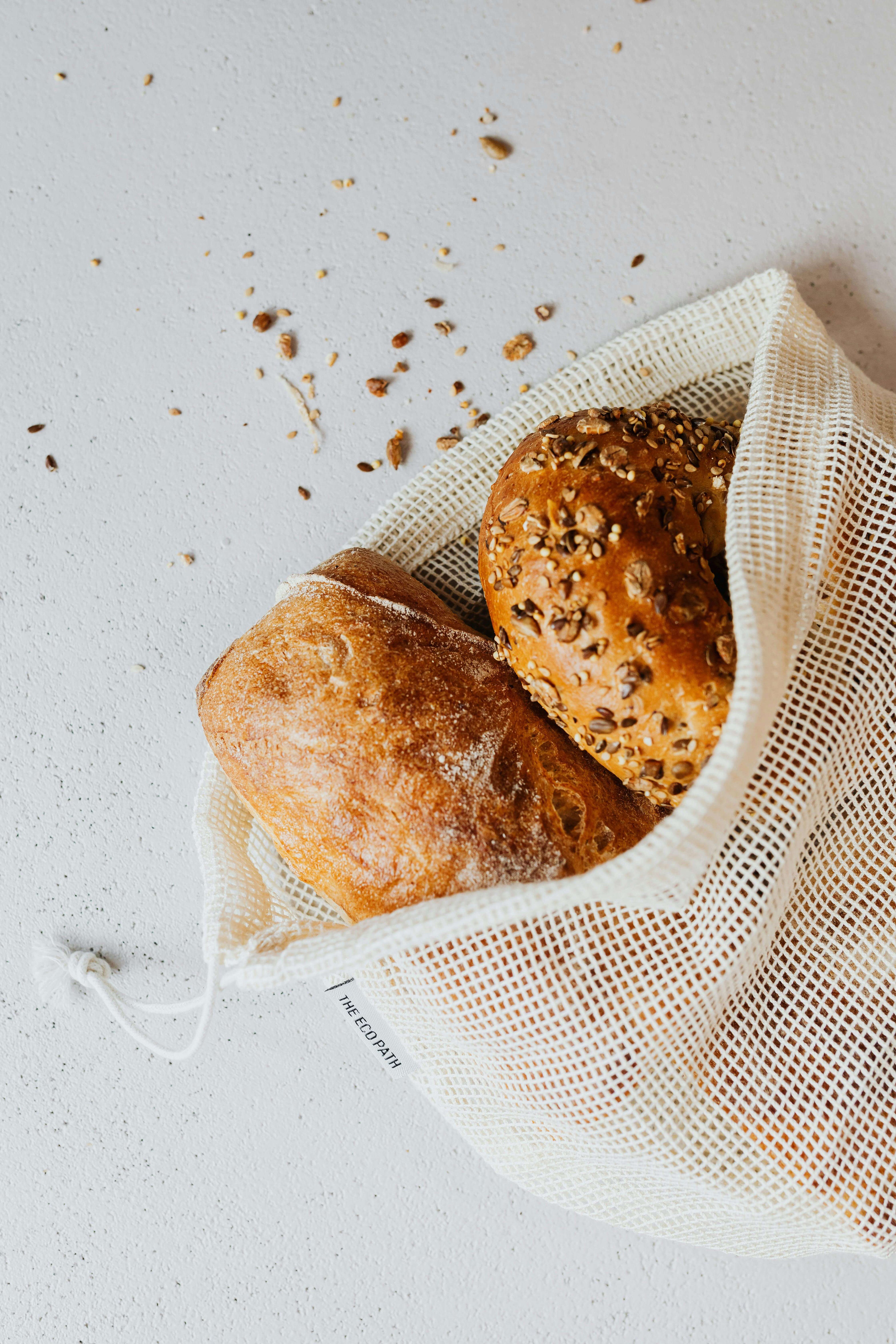
Vollkorn Produkte Bild Brot

Unilateral diet

A balanced diet is essential for anyone who wants to tackle everyday life with vitality and a good mood. Your hair also benefits when you provide your body with important nutrients.

For hair, iron, zinc, and proteins are particularly relevant. Especially in premenopausal women, low iron levels can increase the risk of hair loss.⁹

Learn more about vitamins for beauty in the magazine.

What really strengthens hair? These lifestyle tips will revive tired manes

Now you know possible reasons why a lot of hair collects in your brush or why split ends and hair breakage thwart your styling plans. With the following strategies, you can strengthen your hair naturally and gently – and also boost your vitality.

Natural Glow for Skin and Hair Overnight

An effective and free way to promote well-being down to the tips of your hair is sleep hygiene. Seven to eight hours of restorative sleep give your body enough time for hair repair and to utilize nutrients like biotin, absorbed through food, as efficiently as possible.

Incidentally, a good nutrient combination for men is a mix of magnesium, biotin, and proteins. The latter are the building blocks of hair, and magnesium plays a role in stress reduction and sleep quality, which in turn can support the hair cycle.

Tip: Treat yourself to some wellness and your favorite tea before bed in the evening. Gentle scalp massages promote blood circulation to the scalp, and tea helps you to relax and end the day with a warm, cozy feeling in your stomach.

2. Entspannung für die Seele ist Entspannung für dein Haar

Wächst dir der Alltagsstress über dem Kopf, während deine Haare dich im Stich lassen? Regelmäßige Bewegung und Stressabbau-Techniken wie Meditation und Atemübungen können dir zu Entspannung verhelfen und sich positiv auf das Haarwachstum auswirken.

Tipp: Lege Mittags eine gezielte Pause für eine kurze Atemübung ein oder nimm dir im Laufe des Tages immer wieder Mini-Pausen, um zu entspannen. Gezielter Digital Detox kann ebenfalls hilfreich sein. Lege zum Beispiel fest, abends ab 21 Uhr das Handy auszuschalten und nicht ständig erreichbar zu sein. Dein Cortisol-Spiegel wird es dir danken.

3. Pflege von innen mit Nährstoffen

Vor allem Frauen, die Wert auf natürlichen Glanz legen und das Haar als wichtigen Bestandteil der Styling-Routine betrachten, brauchen einen guten Haarstoffwechsel. Um Haut und Haare zu unterstützen, sind regelmäßige Flüssigkeitszufuhr, biotinhaltige Ernährung und Kollagen hilfreich. Während Biotin an der Bildung des Haarproteins Keratin beteiligt ist, kann Kollagen die Hautfestigkeit fördern.

Wichtig zu wissen: Haargesundheit hängt nicht von einzelnen Nährstoffen ab, sondern von einem komplexen Zusammenspiel aus vielseitiger Nährstoffversorgung und Lifestyle-Routinen. Wenn mehrere Bausteine vorhanden sind, kann der Körper effektiver damit arbeiten.

Die Zufuhr biotinreicher Lebensmittel versorgt dich nicht nur mit wichtigen Bausteinen für die Haarstruktur, sondern liefert auch andere kritische Nährstoffe für die Haargesundheit. Dazu zählen etwa Zink und Eisen.

Tipp: Achte gleich am Morgen darauf, deinen Körper mit biotin- und proteinreichen Lebensmitteln zu verwöhnen – zum Beispiel mit einem Rührei mit Spinat und Tomaten oder einer Schüssel Porridge mit Sojamilch und Nüssen.

All-Around Protection: Practical Everyday Hair Care Tips

Alongside internal nourishment, external protection is important. Use a heat protectant spray before blow-drying and straightening, and let your hair air dry more often, especially in summer.

On sunny days, a stylish hat protects your hair from extreme sun exposure, and in winter, your favorite beanie keeps out icy air that can dry out your hair. In your care routine, opt for mild shampoos without aggressive sulfates and avoid daily hair washing and water that is too hot.

Mini-Checklist: How to keep an eye on your hair and nails

This quick self-check helps you keep track of the condition of your hair and nails:

Hair

  • Are you losing more hair than usual?
  • Is your hair growing slower than usual?
  • Is your hair brittle, dry, or dull?
  • Does your hair break when you comb it?

Nails

  • Are your nails brittle or do they tear easily?
  • Are there white spots or transverse grooves visible?
  • Have the color and shine changed?

Perform the check-up regularly and in good, as consistent as possible lighting, for example, every four to six weeks, and use phone photos for documentation. Record any changes in writing – a note-taking app where you can also save your photos is suitable for this.

If you notice persistent abnormalities such as increased hair loss or significantly altered nails, you should seek advice from a doctor or nutritionist. Together, you can identify causes like hormonal imbalances or deficiencies and rule out biotin deficiency.

Conclusion: Naturally strong hair comes from within

When hair changes, many people suspect a biotin deficiency. However, only a few people actually suffer from it. Instead, it is often stress, lack of sleep, environmental pollution, or a one-sided diet that attacks your hair.

The combination of a varied diet that provides your body with biotin and many other nutrients, stress management, and sufficient sleep gently protects your hair from negative influences. If you find it difficult at times to maintain clean lifestyle routines, complex products with various nutrients such as zinc, iron, and B vitamins can provide support.

Bibliography